
Gold mining in africa.1
Gold mining in africa. For centuries, gold has woven itself into the history of Africa. From the empires of the West to the deep reefs of the South. Today, a significant shift is underway. The torch is passing to a new, dynamic region: East Africa.
No longer just a prospect on a geologist’s map, East Africa is rapidly cementing its status as one of the world’s most exciting and consequential gold mining frontiers. This article explores the forces driving this boom. The key players, and the responsible future shaping this ancient industry.
A Geological Treasure Chest: The Arabian-Nubian Shield
East Africa’s potential isn’t accidental; it’s written in its bedrock. Much of the region sits on the Arabian-Nubian Shield, a geological formation renowned for its abundance of gold and precious minerals. This shield, stretching from Ethiopia and Eritrea through Sudan, and down into Kenya, Tanzania, and parts of the DRC, is considered one of the last great under-explored greenstone belts in the world.
Modern exploration technologies—from advanced satellite mapping to precise geochemical analysis—are now unlocking what traditional methods could not, revealing deposits that are both sizable and high-grade. Gold mining in africa.1
The Powerhouses and The Emerging Players
The East African gold landscape is a mix of established producers and hungry newcomers: Gold mining in africa.1
-
Tanzania: The undisputed regional leader. Home to the Geita Gold Mine, one of Africa’s largest, Tanzania has a long mining history and a mature regulatory framework. Recent government reforms aim to create a more stable and attractive partnership model for foreign investors, signaling a renewed commitment to the sector.
-
Ethiopia: A sleeping giant awakening. With historic mines like Lega Dembi, Ethiopia is actively courting foreign investment to overhaul its mining sector. New licenses and a focus on infrastructure are making it. Top destination for exploration companies.
-
Sudan: Possessing vast, largely untapped reserves, Sudan’s potential is immense. The post-sanctions era has opened doors, though navigating the investment climate requires expert local knowledge and strategic patience.
-
Kenya: The story here is about future potential. While large-scale commercial production has been limited, discoveries in western Kenya (the “Kakamega Gold Belt”) and ongoing projects like the Kilimapesa mine suggest Kenya is on the cusp of a significant breakthrough. Gold mining in africa.1
-
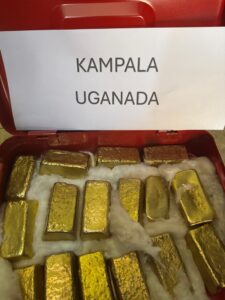
Uganda & Rwanda: These nations are methodically building their mining ecosystems. Uganda is reviving historical mines and issuing new exploration licenses, while Rwanda is leveraging its reputation for efficiency and governance to attract mineral investment alongside its established niche in tin, tantalum, and tungsten (3Ts). Gold mining in africa
Beyond the Drill: The Modern Mining Imperative
Success in East Africa today requires more than just good geology. The modern mining model is built on three pillars:
-
ESG as a Foundation: Environmental, Social, and Governance principles are non-negotiable. Leading companies are those that invest in renewable energy solutions for mines, implement rigorous water management, and go beyond compliance to achieve true environmental stewardship.
-
Community Partnership: The concept of a “social license to operate” is paramount. Successful miners are those who engage communities as true partners—creating local jobs, investing in education and healthcare, and ensuring that the benefits of extraction are shared transparently and fairly.
-
Government Collaboration: The era of purely extractive relationships is over. The most sustainable projects are developed in close collaboration with host governments, aligning with national development goals and contributing to economic diversification. Gold mining in africa.1
Challenges and the Path Forward
The path is not without its challenges. Investors must navigate:
-
Evolving Regulatory Frameworks: Laws and tax regimes can change. Working with in-country experts is crucial for compliance and risk management.
-
Infrastructure Gaps: Some of the most promising deposits are in remote areas, requiring co-investment in roads, power, and logistics.
-
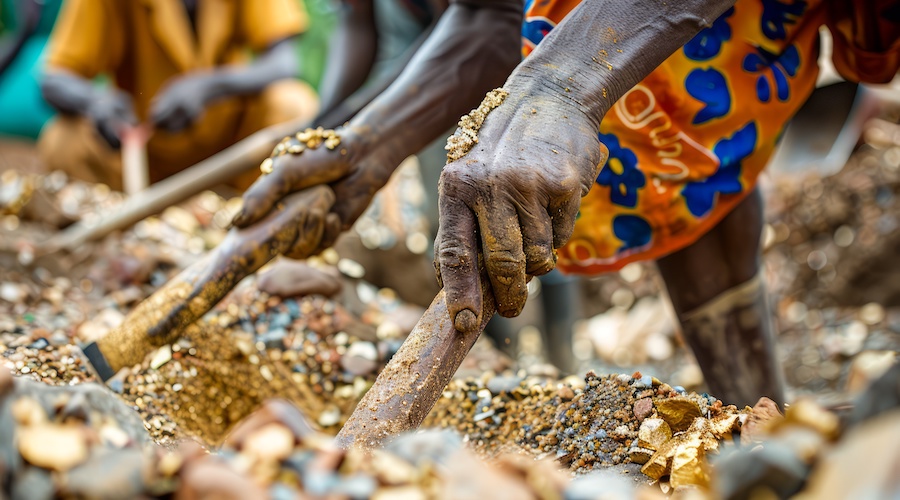
Artisanal and Small-Scale Mining (ASM): The ASM sector is a vital source of livelihood. Integrating and formalizing this sector responsibly, rather than competing with it, is a key challenge and opportunity.
Conclusion: A Responsible Golden Future
East Africa’s gold story is just beginning its most promising chapter. It offers a unique convergence of proven geology, improving investment climates, and a growing consensus on the need for responsible, sustainable development.
For investors and mining professionals, the region presents a generational opportunity—not just to extract a precious metal, but to be part of a transformative economic story. The gold is there. The future will belong to those who can find it while building lasting value for the region and its people. Gold mining in africa.1
Is your company looking to navigate the promising yet complex gold mining landscape of East Africa?
Gold east africa, provides end-to-end strategic support, from geological analysis and regulatory navigation to ESG strategy and community engagement. Our deep regional expertise ensures your project is built on a foundation of knowledge, partnership, and sustainable success.
Contact us today to explore how we can help you secure your place in East Africa’s golden future. Gold mining in africa.1