
Mining in Africa.1
Mining-in-africa. From the copper belts of Central Africa to the gold fields of West Africa and the platinum-rich depths of the South, mining in Africa is a story of immense geological wealth, profound economic impact, and complex challenges. The continent holds a significant portion of the world’s mineral reserves, making it a critical player in the global supply chain for the energy transition and modern technology. This article delves into the multifaceted landscape of African mining. Mining in Africa.1
The Bedrock of Economies: Africa’s Mineral Wealth
Africa is not a monolith, but its subsurface is universally rich. The continent is a global leader in reserves of:
-
Platinum Group Metals (PGMs): Over 90% of the world’s reserves, centered in South Africa.
-
Diamonds: Botswana, Angola, South Africa, and the DRC are top producers.
-
Cobalt: The Democratic Republic of Congo (DRC) supplies about 70% of the world’s cobalt, essential for electric vehicle batteries.
-
Gold: Ghana, South Africa, Mali, and Burkina Faso are major producers.
-
Copper: The Zambian-DRC copper belt is a world-class deposit.
-
Bauxite & Iron Ore: Guinea and West Africa hold vast untapped potential.
This mineral wealth directly contributes to national GDPs, export revenues, and, in theory, public funding for infrastructure, health, and education. Mining-in-africa
The Dual Edges of the Pickaxe: Opportunities vs. Challenges
The impact of mining in Africa presents a stark dichotomy.
Opportunities & Economic Drivers:
-
Foreign Direct Investment (FDI): Mining is a primary magnet for international investment.
-
Job Creation: It provides direct and indirect employment for millions.
-
Infrastructure Development: Mines often build roads, ports, and power networks that benefit broader regions.
-
Technology Transfer: Introduces advanced tech and skills to local workforces.
-
Energy Transition Catalyst: African minerals (cobalt, lithium, copper, graphite) are crucial for renewable energy and decarbonization.
Persistent Challenges & Risks:
-
Resource Curse: Where mineral wealth leads to economic distortion, corruption, and conflict.
-
Environmental Degradation: Deforestation, water pollution, acid mine drainage, and habitat loss are serious concerns.
-
Health & Safety: Artisanal and Small-Scale Mining (ASM) often operates with severe safety risks and health hazards.
-
Community Displacement & Conflict: Tensions arise over land rights, fair compensation, and perceived inequitable benefit sharing.
-
Illicit Financial Flows: Profit shifting and tax avoidance by some companies deprive nations of revenue.
The Rise of Artisanal and Small-Scale Mining (ASM)
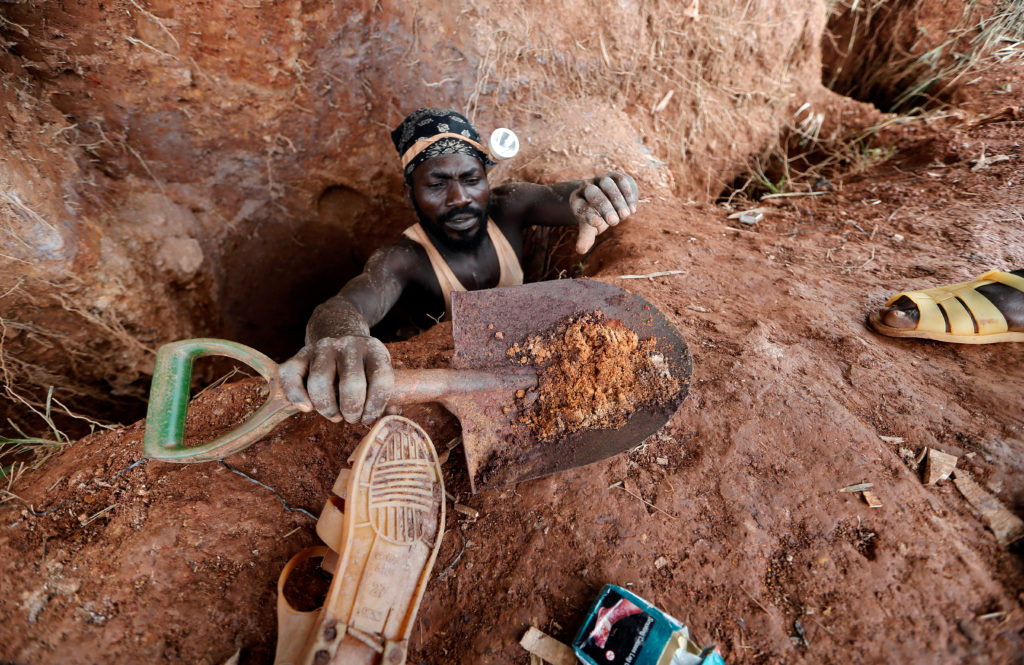
A critical, often informal, sector, ASM mining employs over 10 million people across Africa. It is a vital livelihood but is associated with child labor, dangerous working conditions, and environmental damage. Formalizing and supporting responsible ASM is a key challenge and opportunity for sustainable development. Mining-in-africa
Key Trends Shaping the Future of African Mining
-
The Green Minerals Rush: Surging demand for cobalt, lithium, and copper is driving new exploration and investment, particularly in Central and Southern Africa.
-
Local Beneficiation & Value Addition: African nations are increasingly pushing to process minerals locally before export to capture more value and create manufacturing jobs.
-
ESG (Environmental, Social, and Governance) Focus: Investors and consumers demand higher standards. Sustainable and ethical sourcing is becoming non-negotiable.
-
Technology Adoption: Automation, drones, and data analytics are improving safety, efficiency, and transparency in mining operations.
-
Regulatory Reforms: Countries are revising mining codes to increase state revenue, mandate local participation, and enforce stricter envirmental controls. Mining-in-africa
Conclusion: Towards a Sustainable and Equitable Future
Mining in Africa stands at a crossroads. Its role in powering the global future is undeniable. The path forward must prioritize responsible mining practices that balance extraction with environmental stewardship, ensure fair benefits for host communities, and foster transparent governance. The future of African mining lies not just in unearthing minerals, but in building resilient economies, empowered communities, and a sustainable legacy from its unparalleled geological endowment. Gold east africa your number gold seller in africa